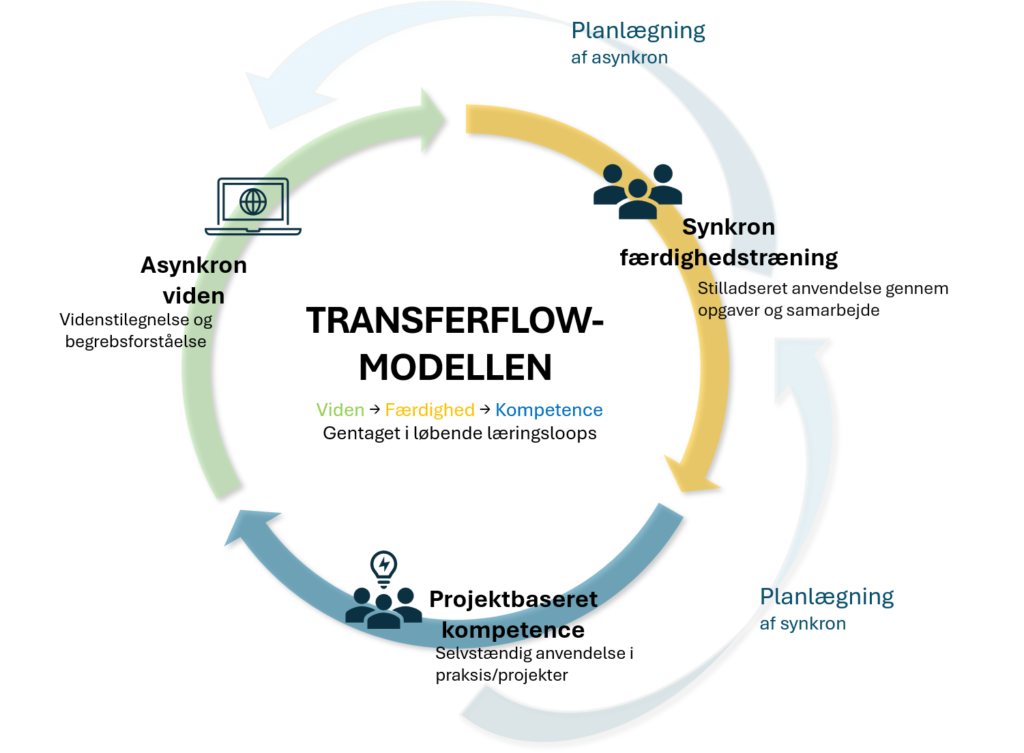
What is the Transferflow model based on?
The Transferflow model was not developed from a single theory, but in the field of tension between didactic theory, pedagogical models and many years of practical experience with planning and implementing online teaching.
This page provides an overview of some of the central theoretical foundations on which the model is based. Not as a full theoretical foundation, but as a professional standpoint that can be used by teachers who need to be able to explain the didactic considerations behind their teaching.
Didactic thinking rather than method
The Transferflow model should not be understood as a method that prescribes specific teaching methods or activities. It is a didactic planning tool that helps educators create coherence between goals, activities, and student learning – especially in online and hybrid learning spaces.
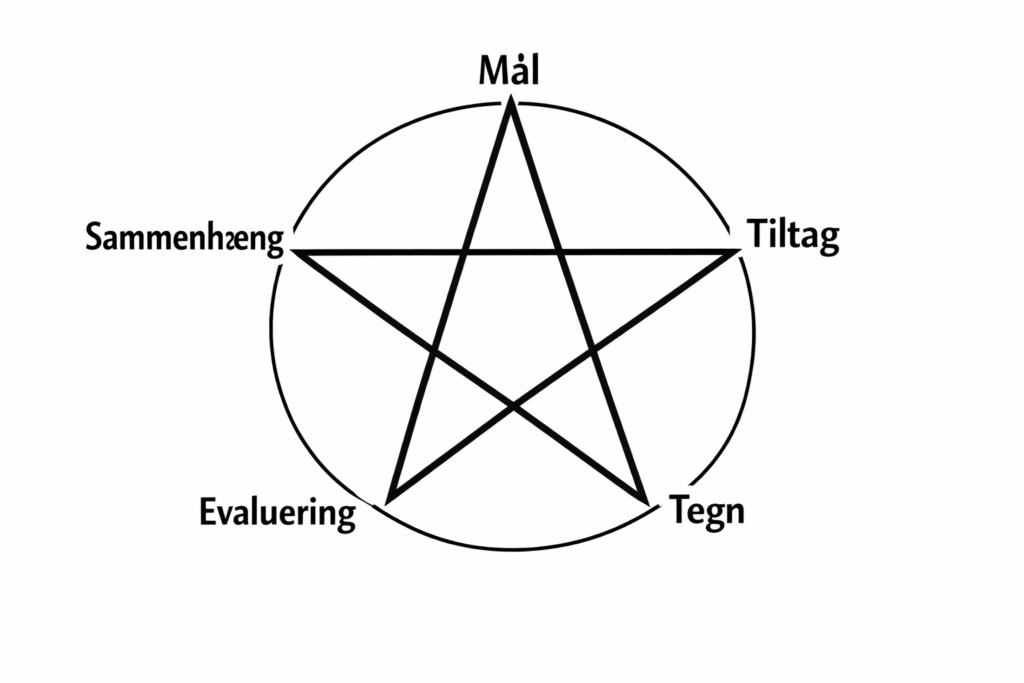
The SMTTE model – purpose and context
The Transferflow model shares the SMTTE model's (Hiim & Hippe) fundamental focus on the connection between purpose, goals, measures and evaluation.
In the Transferflow model, this focus lies particularly in backward planning: The starting point is what the student should be able to do in practice, and from this the learning activities that are to support this are planned.
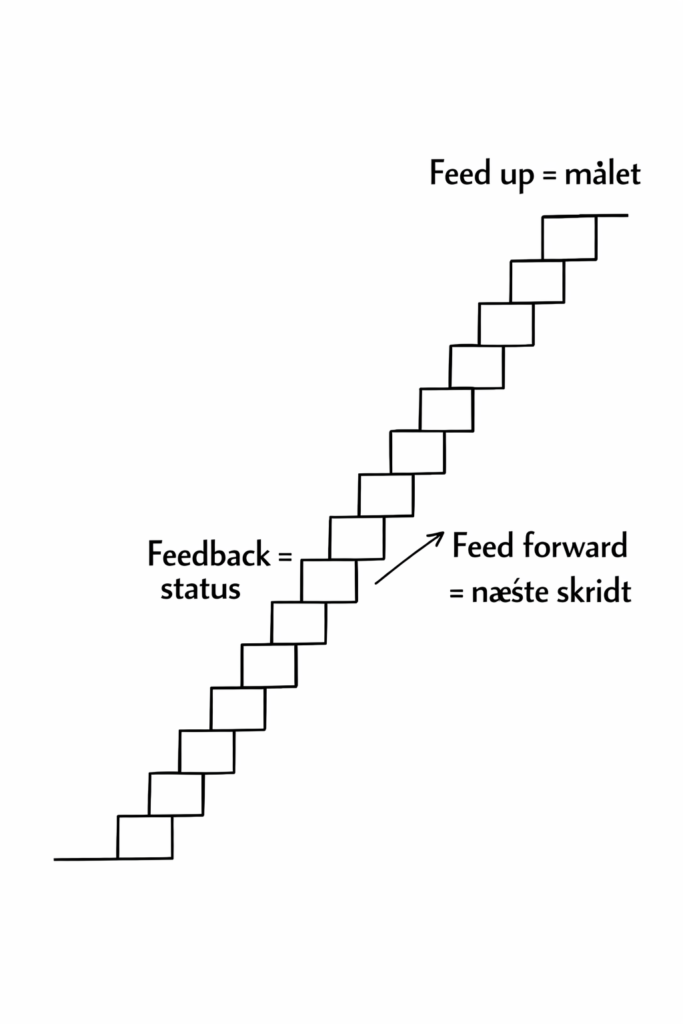
Feedback, feed up and feed forward
The model draws on the thinking of feed up (what is the goal?), feedback (where am I now?) and feed forward (what is the next step?) (Hattie & Timperley).
Especially in the synchronous and project-based part, these elements become central because the students work with clear objectives and can continuously adjust their work towards the desired learning outcome.
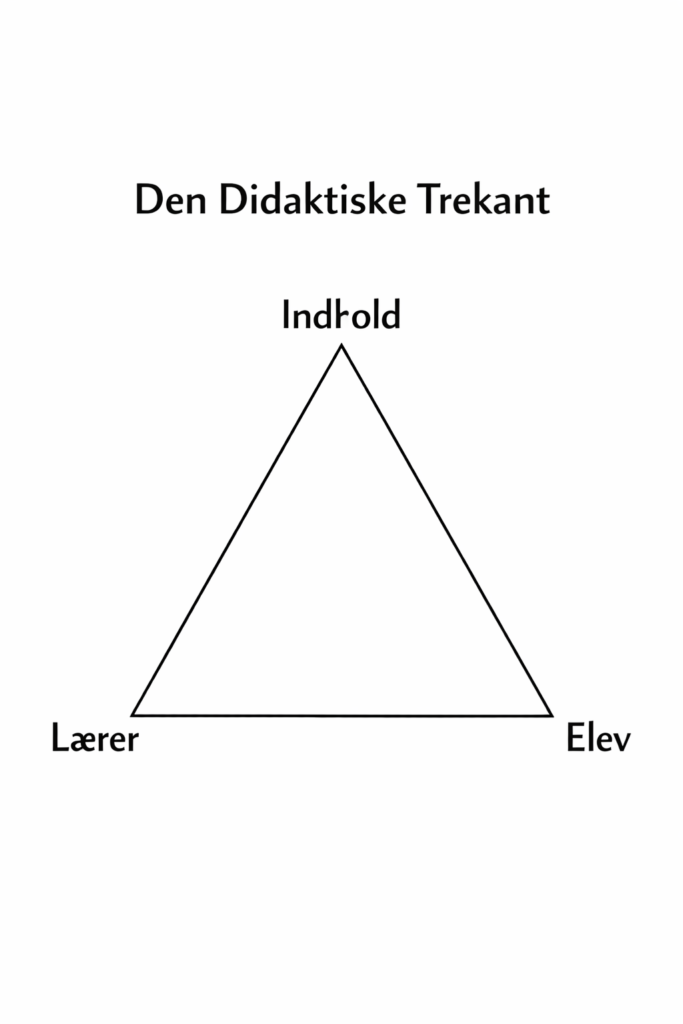
The didactic triangle – the relationship between content, teacher and student
The Transferflow model requires active interaction between teacher, student and academic content.
The model emphasizes that the teacher's role is not primarily to convey content, but to design learning processes where students gradually take responsibility for their own learning within clear frameworks.
Practical learning and transfer
A central purpose of the model is to support the transfer from knowledge to skills and further to competencies.
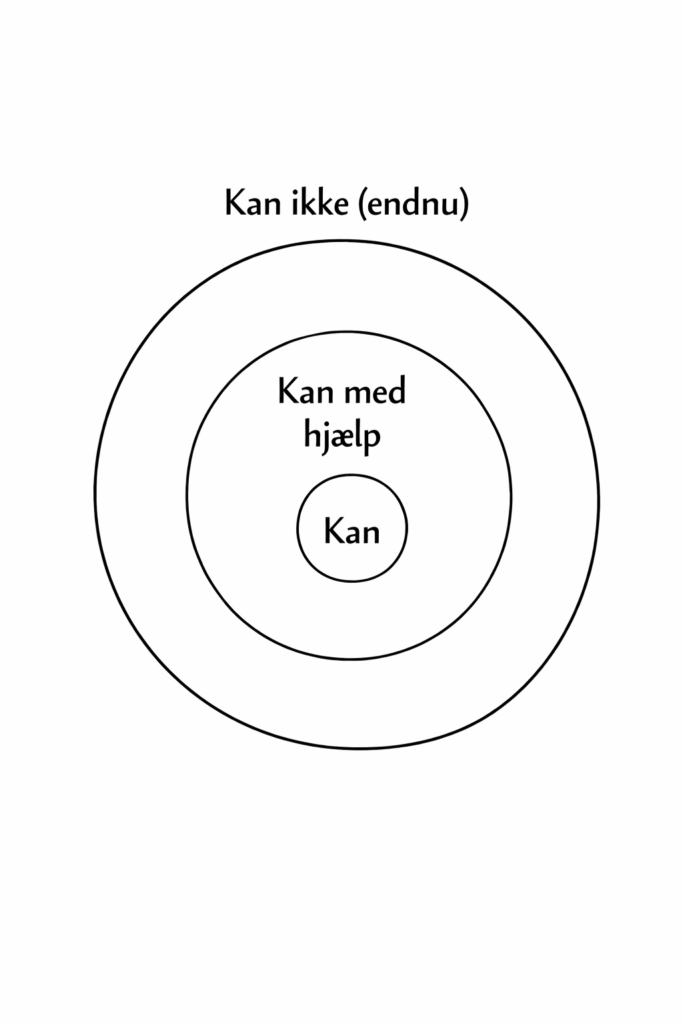
This is done through repeated learning loops, where students work with scaffolded tasks and later with more open and practical projects. In line with Illeris’ learning theory, the model supports both the acquisition dimension (content and cognition) and the interaction dimension (action, context and social relations), while the progression in task types places learning within the student’s zone of proximal development (Vygotsky). This creates a basis for lasting learning and transfer to practice.
In addition to the theoretical basis, the Transferflow model is based on experience from several years of work with online teaching, including the development, testing and adjustment of didactic designs in practice.
The model is therefore not static. It was developed because something worked – and adjusted when something didn't.