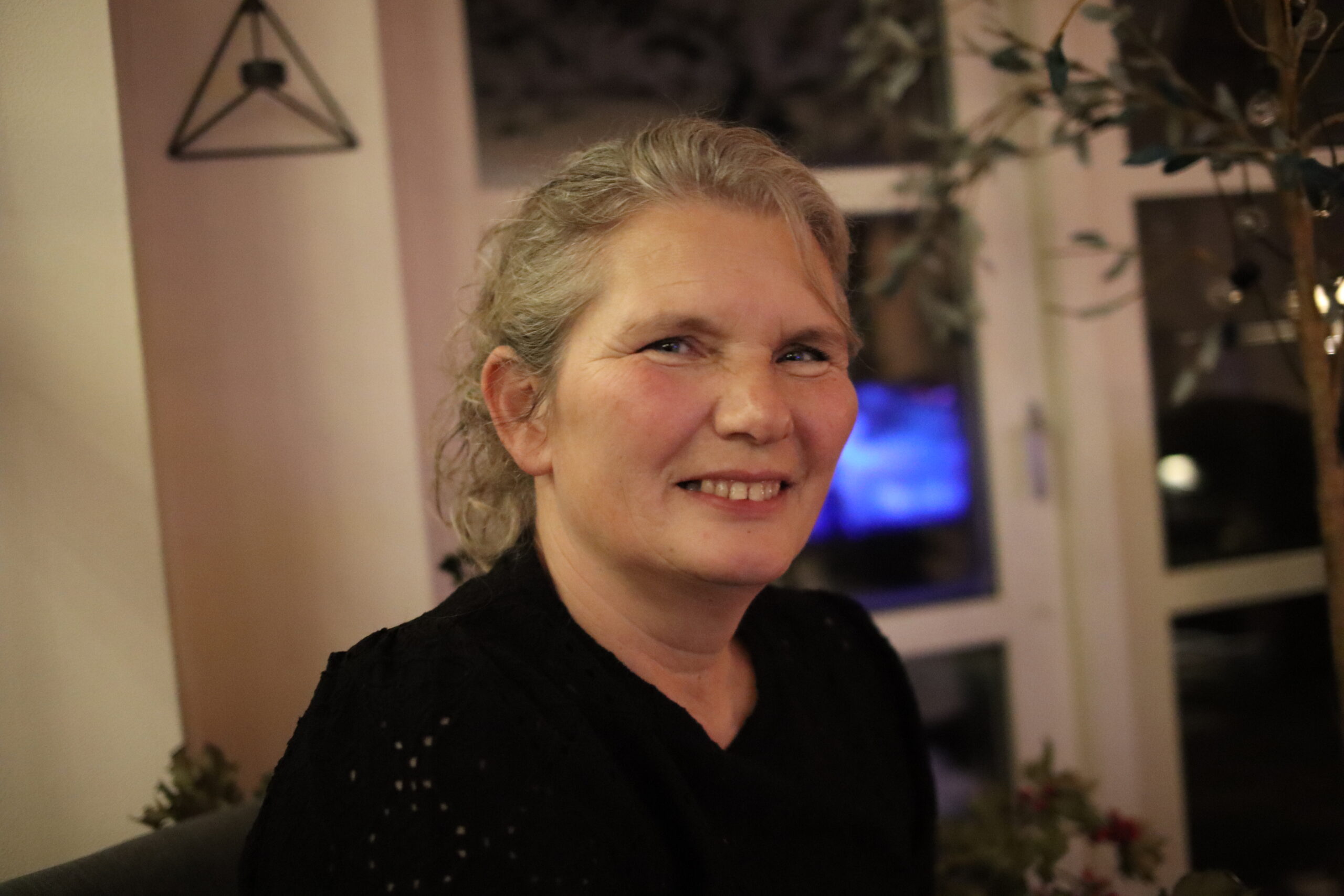
My name is Lene Andersen.
I have been a teacher since 2013 and am currently an associate professor. I have a master's degree in IT, interaction design and multimedia, and teach, among other things, systems development, IT and business development - subjects where processes, structure and coherence play a crucial role.
Over the years, I have both received and delivered a great deal of teaching. Some of it has been engaging and motivating; other experiences have felt alienating, incomprehensible, or lacking a clear purpose. These experiences have deeply shaped the way I think about teaching—and my curiosity about why some forms of teaching work while others do not.
From practitioner to educator
I myself worked as a programmer and systems consultant for many years before I became a teacher. In the beginning, I was a programmer who taught. Over time, I became primarily a teacher – who has also been a programmer and consultant.
That shift has been crucial for me. Today I see my work as composed of two professional areas:
the professional (IT, system development, processes) and the educational area. It is in the tension between the two that my professional position lies.

Didactic awareness and responsibility
When I began teaching, I was fortunate to join a team with a strong awareness of didactics. This provided me with role models and a shared pedagogical language that I continue to rely on today.”
During my period as an assistant professor, I really realized that teaching is not about pouring your own knowledge into students. The biggest challenge is not what I know – but how I motivate students to want to know and be able to do something themselves. And, of course, what their learning goals actually are.
For me, teaching should be experienced as meaningful, relevant – and preferably necessary.

Autonomy, framework and purpose
I strongly believe that students should have a high degree of autonomy and responsibility. But not without limits. Quite the opposite.
Clear purposes, clear goals, and well-thought-out scaffolding are what make autonomy possible. When students understand why they are doing something, what they are going to use it for, and how they are going to get there, their engagement changes significantly.
This is also where my interest in planning, progression, and coherence in teaching and learning sequences originates

Online teaching as professional practice
I am one of the initiators and a strong driving force behind the establishment of the online Datamatiker programme, with the first cohort starting in 2022. For me, online teaching is not an emergency solution or a digital copy of face-to-face teaching, but an independent didactic practice that requires deliberate choices and a clear structure.
Many of my thoughts on teaching, including the development of the Transferflow model, have grown out of working with online education and the opportunities and challenges it presents.
Conversation, openness and shared reflection
I am greatly inspired by conversations – with students and with colleagues. I believe in openness in teaching and often articulate my didactic considerations:
Why do we do things this way? What is the purpose? What are we practicing here?
For me, teaching is not something finished, but something that is constantly developing in dialogue with practice.